Arkansas homeowners file thousands of hail damage roof claims every year, and too many of them are wrongfully denied, delayed, or drastically underpaid. If your hail damage insurance claim was denied in Arkansas, you still have options. Arkansas law provides strong protections for homeowners whose insurers fail to pay what they owe, including a financial penalty, attorney's fees, and additional damages for bad faith.
At Lovell, Nalley & Nalley, we have been fighting for Arkansas homeowners and families for more than 40 years. This guide explains why insurance companies deny claims in the first place, what rights you have as a policyholder, and what to do after a denial.
When an insurance company denies a hail damage claim, it typically relies on one of several standard tactics. Recognizing them is the first step toward fighting back.
"It's just wear and tear." This is the most common reason insurers cite. Adjusters blame granule loss, bruising, and shingle damage on normal aging rather than storm impact, even when a significant hailstorm hit your neighborhood. Under Arkansas law, wear and tear is a condition, not a reason to deny coverage for storm-related damage on top of it.
"The damage is cosmetic only." Insurers increasingly argue that dented or bruised shingles do not affect the function of the roof. Whether damage is cosmetic or functional is genuinely disputed in many cases, and it almost always takes an independent roofing professional to counter the insurer's position.
"You reported it too late." The lesson here is simple: report your claim to your insurer as soon as you notice any damage, even before you know the full cause. In a 2023 federal court decision, First Baptist Church v. Zurich American Insurance Co., the court ruled against a policyholder whose roof leaked beginning in 2016 but who did not file a claim until 2022 after learning hail was the cause. The court held that the clock started when the damage was discovered, not when the cause was identified.
Low or Incomplete Estimates. Even accepted claims are often underpaid. Insurance company estimating software consistently undervalues labor and materials and leaves out related items like gutters, skylights, flashing, and interior water damage.
Actual Cash Value vs. Replacement Cost disputes. Insurers may pay only the depreciated value of your roof (called Actual Cash Value) rather than the full cost to replace it, leaving homeowners tens of thousands of dollars short.
An Arkansas homeowner's insurance policy is a legally binding contract. When your insurer accepts your premiums and then refuses to honor a covered loss, that is a breach of contract. The deadline to file a breach of contract lawsuit in Arkansas is five years under Ark. Code Ann. § 16-56-111, meaning the clock starts when your claim is denied, not when the storm occurred.
When you file a claim under your own homeowner's policy, that is called a first party insurance claim. Arkansas law gives homeowners several ways to pursue first party claims against their insurers:
Arkansas courts have held that bad faith is not established by a simple denial or a good-faith disagreement over value. The standard requires deliberate wrongdoing, meaning conduct driven by dishonesty or an intent to deprive the insured of what they are owed. However, deliberately ignoring clear evidence of covered damage can also meet this standard.
When bad faith is proven, homeowners may recover payment for their actual losses and, in serious cases, punitive damages. Punitive damages serve as a deterrent against insurance companies that profit by systematically denying legitimate Arkansas hail damage claims.

Report immediately. Arkansas courts have held that the clock starts when you discover damage, not when you identify the cause. Notify your insurer promptly any time you suspect weather damage.
Document everything. Photograph your roof, gutters, siding, and any interior damage from every angle. Keep written records of all communications with your insurance company.
Get an independent inspection. Do not rely solely on the insurer's adjuster. Hire a licensed roofing contractor to inspect your roof and provide a detailed written estimate that distinguishes storm damage from any pre-existing conditions.
Request the full claim file. You have the right to receive the insurer's written denial explanation, adjuster notes, photographs, and all reports. If your insurer cannot point to a specific policy reason for denying your claim, that itself is a problem.
File a complaint if warranted. The Arkansas Department of Insurance accepts complaints against insurers. A formal complaint invites regulatory scrutiny and signals to the insurer that you are serious.
Talk to an attorney before accepting a lowball settlement. Once you cash an insurer's check, you may be giving up your right to pursue the difference. Talk to an attorney before accepting any partial payment as "full and final" settlement of your claim.
Generally five years from the date of denial under Arkansas's breach of contract statute of limitations. However, your policy may contain shorter notice requirements. Do not wait.
Yes. If you win under A.C.A. § 23-79-208, the insurer must pay your reasonable attorney's fees in addition to the 12% penalty.
Yes, if you can establish that the insurer acted with the level of deliberate wrongdoing required for a bad faith finding under Arkansas law.
Cosmetic vs. functional damage is one of the most contested issues in Arkansas hail damage cases. An independent roofing expert who can document that the damage affects the roof's ability to shed water, protect the structure, and reach its expected lifespan is often essential to overcoming this defense.
Yes. Systematic underpayment is just as actionable as an outright denial. The 12% penalty statute and bad faith claims apply to underpayment the same way they apply to a full denial.
If your hail damage insurance claim was denied in Arkansas, or you were paid far less than your roof damage is worth, we can review your policy, evaluate your claim, and explain every available remedy, including breach of contract, the 12% statutory penalty, attorney’s fees, and bad faith. Lovell, Nalley & Nalley has served homeowners and families throughout Arkansas for more than 40 years.
Call us at (501) 315-7491 to set up an initial consultation at no cost to you.
DISCLAIMER: This blog post is for general informational purposes only and does not constitute legal advice. Reading this post does not create an attorney-client relationship. Contact our office directly to discuss your specific situation.
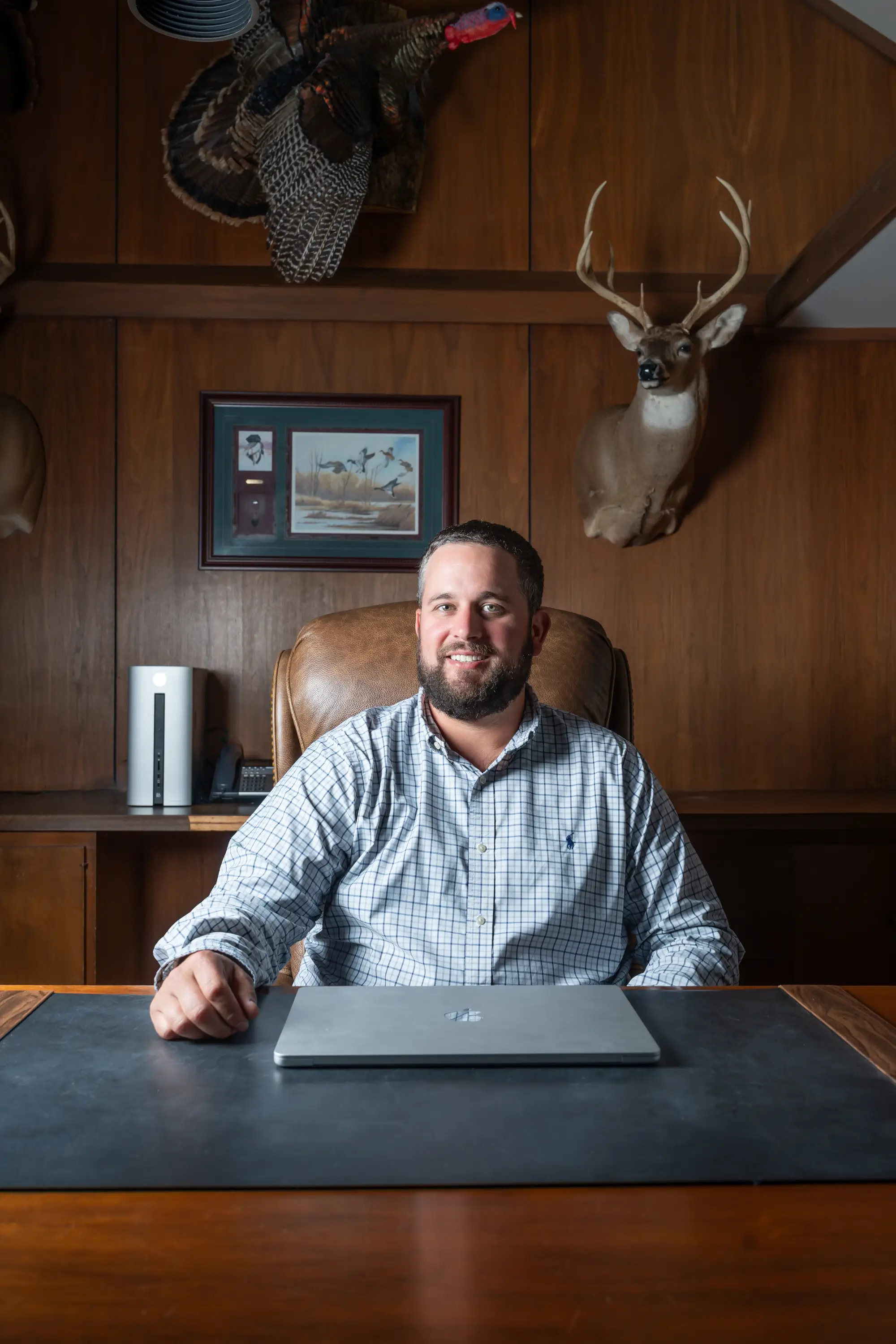
Chance Nalley is a partner at Lovell, Nalley & Nalley in Benton, where he represents clients in insurance and injury cases, real estate disputes, and probate matters. He earned his law degree from the William H. Bowen School of Law at the University of Arkansas at Little Rock and was admitted to the Arkansas Bar in 2017.