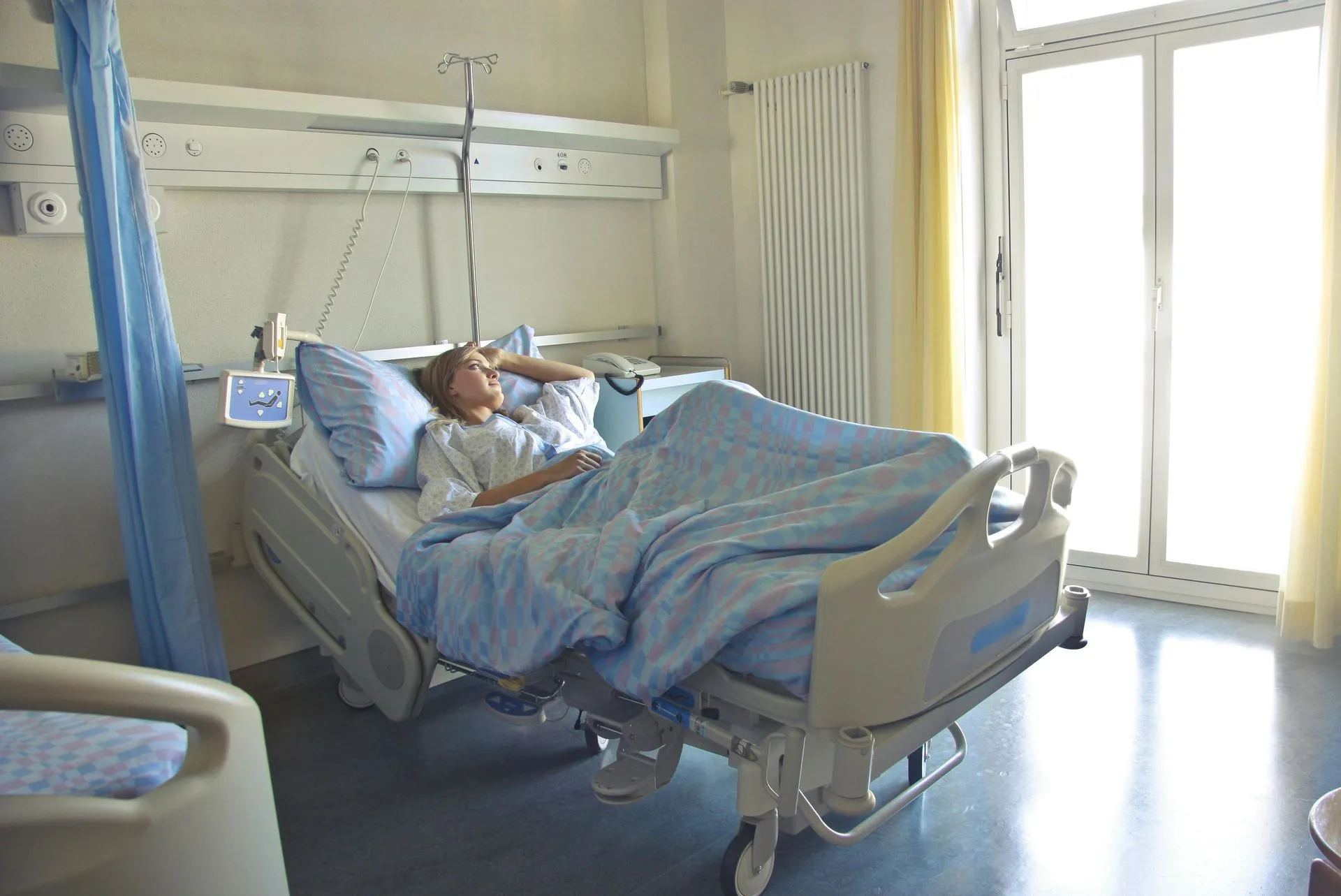
A Hospital Stay Will Affect All of Us
At some point, you or someone you love will be hospitalized. When that happens, you are relying on a system that is under real strain. Hospitals across the country face nursing shortages, tight appointment windows driven by insurance requirements, and financial pressure from rising costs. At the same time, an aging population means more patients are arriving with multiple, complex medical needs.
A 2023 study published in the New England Journal of Medicine, led by Dr. David Bates and colleagues, reviewed a random sample of admissions across 11 Massachusetts hospitals and found at least one adverse event in nearly one in four admissions, with close to a quarter of those events considered preventable. Physicians and nurses we have spoken with over the years tell us the same thing: loved ones are often a patient's best advocate.
There is something you can do immediately to improve the odds of a safe hospital stay: designate an advocate caregiver. This should be a family member or trusted friend whose role is to oversee and monitor care, since a hospitalized patient often cannot do this for themselves. If you or a loved one is admitted, your first priority should be naming someone to fill this role.
As an advocate caregiver, here are nine rules to follow.

1. Act as the patient's eyes and ears
- Keep a notebook with the patient's name, room number, and the names and contact information for the physicians and primary nurses.
- Record the diagnosis and treatment plan, and keep a daily log of the patient's progress.
2. Watch for medication mistakes
- Medication errors are among the most common preventable events in hospital care, and getting the details right matters.
- Write down every medication and dosage directly from the patient's physician.
- Note what each medication looks like, including the shape and color of pills and the names on bottle or IV bag labels, since similar packaging can lead to mix-ups.
- If something does not match what you have recorded, ask questions before it is administered.
- Confirm that the patient's medication allergies are listed in the chart, and repeat this information to the primary nurse and physician yourself.
3. Confirm the patient's identity every time
- Confirm the patient's name and the planned procedure or treatment with every staff member who arrives to provide care or transport the patient.
- Repeat this same check each time, with each new person.
4. Verify the correct surgical site
- Accompany the patient to the pre-operative holding area, where the surgeon and anesthesiologist typically visit before the procedure, and ask any remaining questions there.
- Ask the surgeon to mark the correct surgical site directly on the patient's body.
- If the surgeon is unavailable, ask the anesthesiologist or another member of the surgical team to confirm the same information.
5. Reduce the risk of hospital-acquired infections
- Healthcare-associated infections affect more than a million patients across U.S. hospitals every year, according to the CDC, with urinary tract infections, surgical site infections, and C. difficile among the most common.
- Wash your hands regularly, and ask every person who comes into contact with the patient, including physicians and nurses, to wash their hands or use a fresh pair of gloves first.
- Keep antibacterial gel at the bedside and encourage visitors and staff to use it.

6. Know how to reach the doctors
- Ask the primary nurse when physician rounds typically happen, and try to be present in the room at that time.
- Keep your notebook handy with questions prepared about diagnosis, treatment, and prognosis.
- Ask each physician how they prefer to be contacted, and provide your own phone numbers and the best times to reach you.
- If you cannot be present during rounds, ask the primary nurse to note in the chart that you would like a callback, or ask the nurses' station to relay a message to the physician so you can connect at a better time.
7. Get to know the patient's primary nurses
- Direct requests, such as pain medication, should go to the primary nurse rather than a technician, since requests made to the wrong person may not reach someone who can act on them.
- Build a relationship with the primary nurses across all shifts, including nights.
- Humanize the patient and help the care team see them as a person, not just a diagnosis in a room number. Familiarity tends to translate into attentiveness.
8. Prepare for holidays, weekends and nights
- Nurse-to-patient ratios often increase during these periods, meaning each nurse is responsible for more patients, and physicians may be less available.
- Try to be present yourself, or coordinate coverage with other family members.
- If needed, consider hiring a sitter or companion to fill gaps in coverage.
9. Above all, try to be with the patient as much as possible
Patients with involved family members tend to receive more consistent attention. Being present, even for limited stretches of time, can meaningfully change the course of a hospital stay.
No hospital staff member sets out to make a mistake. Most are doing their best within a strained system. As a family member or friend, showing up as an advocate is one of the most effective things you can do for the health and safety of someone you love.
If Advocacy Is Not Enough
Even with careful advocacy, preventable errors sometimes still occur, and the consequences can be serious. If you or a loved one has been seriously harmed by a hospital error, including errors during childbirth, you may have legal options worth understanding. Our attorneys handle medical malpractice cases throughout Arkansas, including cases involving birth injuries, and can help you understand whether what happened falls outside the standard of care.
Contact Us to set up an initial consultation at no cost to you.
DISCLAIMER: This blog post is for general informational purposes only and does not constitute legal advice. Reading this post does not create an attorney-client relationship. Contact our office directly to discuss your specific situation.